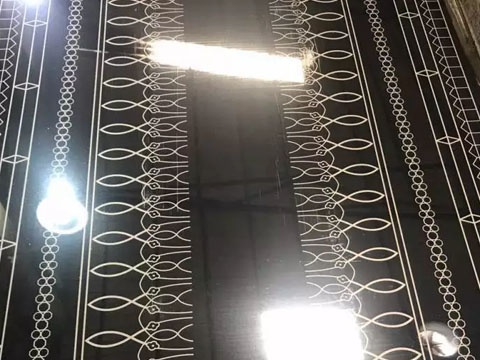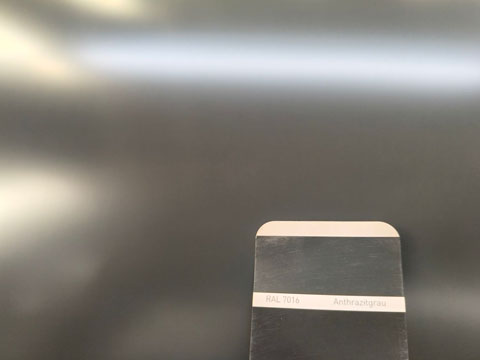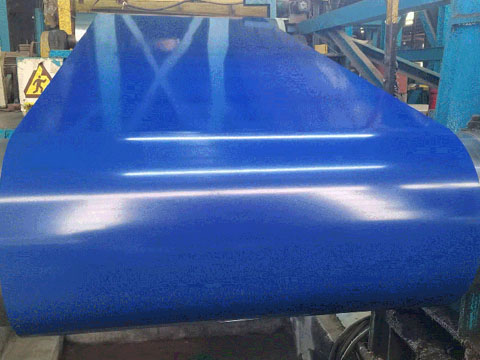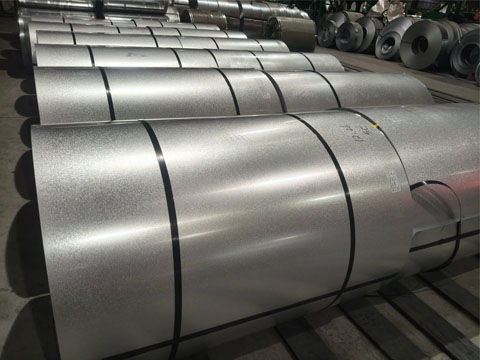

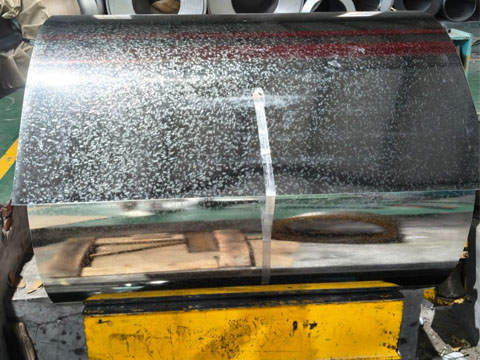
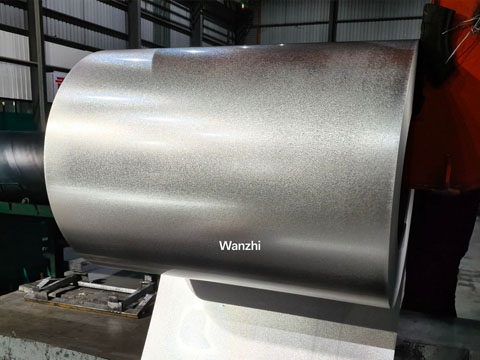
Galvanized steel (GI) and galvalume steel (GL) are two common materials in the steel industry. Both are metal-coated steels, but the biggest difference lies in their surface metal coatings. GI uses a zinc coating, while GL uses an aluminum-zinc coating system.
The difference between the two goes beyond just the coating. The coating system affects the steel’s corrosion resistance, heat resistance, formability, and suitability for different applications.
For steel purchasers, the right question is not simply “Is GI better than GL?” or “Is GL better than GI?” A more reasonable approach is to comprehensively evaluate the application, exposure environment, steel grade, coating weight, fabrication requirements, and expected service life.
This article explains the practical differences between GI and GL steel and provides a project-based approach to help select the appropriate material for roofing, coastal construction, livestock housing, solar structures, and other applications.
Watch the GI vs GL Steel Video
The video below explains the main differences between GI and GL steel and answers common questions from international steel buyers.
It covers coastal applications, livestock buildings, roofing, solar structures, processing, coating weight and supplier selection.
Topics covered in the video:
- What is the difference between GI and GL steel?
- Which material is suitable for coastal areas?
- What should be considered for livestock buildings?
- Is GL always better than GI?
- Should roofing use GI or GL?
- Which material is suitable for solar structures?
- How do GI and GL compare in processing?
- How should coating weight be selected?
- What should buyers check when choosing a supplier?
GI vs GL Steel: Main Differences
1. Metallic Coating
| Material | Metallic coating |
| GI | Zinc |
| GL | Aluminum-zinc |
GI relies on zinc-based protection, while GL combines aluminum and zinc within its metallic coating system. This difference is the starting point for understanding why the two products can behave differently in specific environments.
2. Corrosion Protection
Both GI and GL are designed to protect the steel substrate from corrosion.
- GI provides established zinc-based protection and is widely used across construction and industrial applications.
- GL uses an aluminum-zinc coating system and is often considered for applications involving prolonged atmospheric exposure.
However, corrosion performance cannot be judged by coating type alone. Factors such as:
- Humidity
- Salt exposure
- Industrial atmosphere
- Condensation
- Coating weight
- Paint system
- Cut edges
- Forming
- Installation details
can all affect the service life of coated steel. For this reason, choosing GL simply because it is often associated with stronger atmospheric corrosion resistance does not automatically make it the right choice for every project.
For example, in acidic environments, galvanized steel offers better corrosion resistance than galvalume steel with the same zinc coating thickness, because in acidic environments, the Al₂O₃ oxide film formed by aluminum is easily dissolved, causing the protective layer to fail. Therefore, for key customers in the chemical and acid-washing industries, galvanized steel sheets should be recommended over galvalume steel sheets.
3. Heat Resistance
GL is often considered when heat exposure is an important part of the application. Its aluminum-zinc coating system provides good resistance to elevated temperatures, making GL a common consideration for roofing and other applications exposed to strong solar heating or higher operating temperatures.
GI remains suitable for many conventional applications, but projects involving significant heat exposure should evaluate the temperature conditions before selecting the coating system.
4. Processing and Fabrication
GI and GL can both be cut, bent and formed. However, processing performance depends on several factors, including:
- Steel grade
- Thickness
- Mechanical properties
- Forming method
- Bend radius
- Coating specification
- Production equipment
For example, a roll-forming application may require a different steel grade from a structural application. Therefore, it is not accurate to decide that GI or GL is always easier to process. The substrate grade and actual fabrication method need to be considered.
GI or GL: Which Material Should You Choose?
GI or GL for Coastal Areas?
Coastal sea breezes carry sea salt, which causes particularly rapid corrosion; therefore, GL (aluminum-zinc-coated) should be the first choice.
When a GI (galvanized iron) coating—which consists of pure zinc—comes into contact with sea salt, it is prone to extensive white rust within 3–5 years. GL, which contains aluminum, offers more than three times the salt spray resistance of GI; even the exposed edges resulting from cutting or drilling the sheet metal can form a protective film on their own, making them less prone to rust.
GI should only be considered for small-scale projects with extremely low budgets or for short-term, temporary structures.
GI or GL for Livestock Buildings?
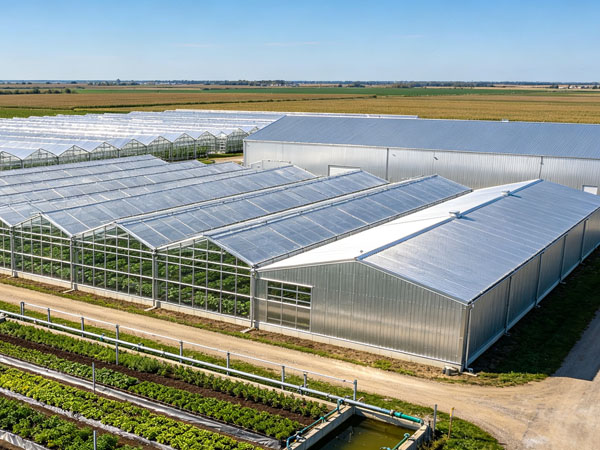
Livestock farms are characterized by high levels of ammonia, manure-contaminated water, and humidity, creating a corrosive environment far more severe than that of ordinary industrial buildings. Choose GL aluminum-zinc steel sheets directly; if conditions permit, prioritize ZM zinc-aluminum-magnesium steel sheets.
Ammonia rapidly corrodes pure zinc (GI) coatings, causing roof and wall panels to rust through and leak within 2–3 years; GL sheets are resistant to acids, alkalis, and ammonia corrosion, ensuring stable service life for over 15 years. This eliminates the need for frequent repainting and repairs, saving significant maintenance costs.
GI or GL for Roofing?
Both materials can be used for roofing panels; the choice mainly depends on the environment:
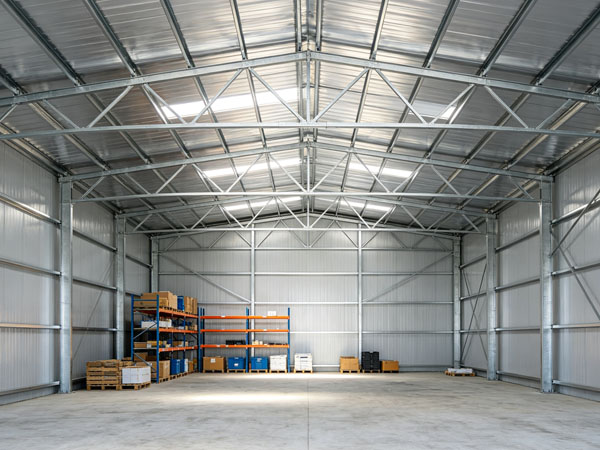
- Factory buildings and warehouses in dry inland cities: GI is sufficient and offers good value for money;
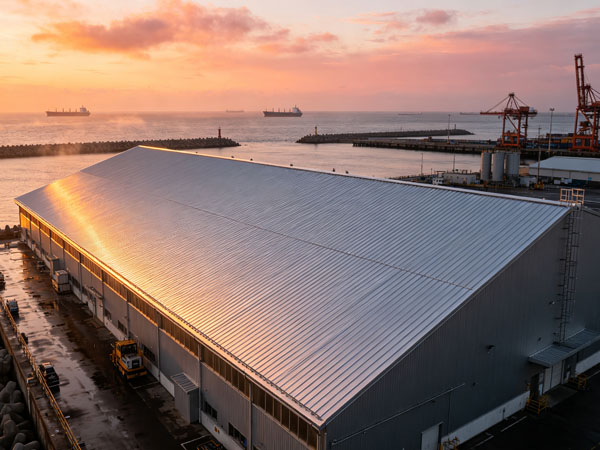
- Coastal areas, aquaculture farms, chemical industrial parks, and high-temperature, sun-exposed regions in the Middle East: GL is required.
Roofs are constantly exposed to sun and rain year-round, and the large temperature fluctuations between day and night can easily cause condensation. The pure zinc coating on GI sheets quickly powderizes and rusts when exposed to standing water; GL, on the other hand, is UV-resistant and resistant to corrosion from condensation, doubling the roof’s service life and reducing the need for leak repairs.
GI or GL for Solar Structures?
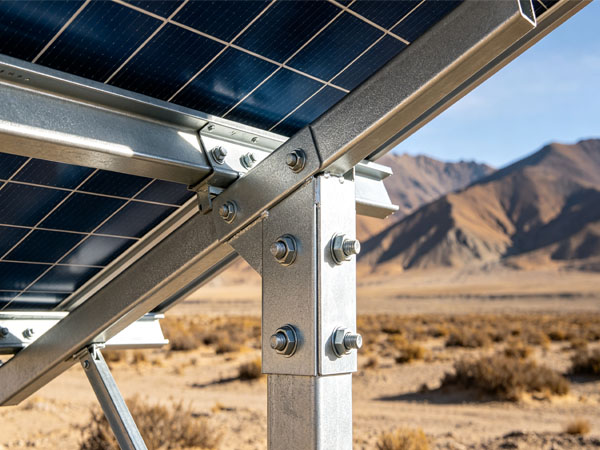
GL aluminum-zinc-coated steel is the standard recommendation for solar mounting systems (ZM—zinc-aluminum-magnesium—is even better).
Solar panels are used outdoors for 25–35 years, and many power plants are built near the coast, on tidal flats, or on saline-alkali land. Since mounting systems require numerous holes and cuts, GI steel will rust and break at the cut edges within a few years, whereas GL steel features self-healing exposed edges, providing long-term corrosion resistance and stability that matches the long service life of solar panels.
Is GL Always Better Than GI?
It’s not an absolute rule—there’s no one-size-fits-all material. It depends on the specific application:
- GL Advantages: Corrosion resistance, withstands high temperatures and intense sunlight, suitable for coastal areas, aquaculture facilities, and long-term outdoor projects; offers a longer service life;
- GL Disadvantages: Slightly higher unit purchase price; requires more precise welding techniques; improper bending can easily cause the coating to peel;
- GI Advantages: Lower cost, simple welding, high tolerance for bending errors; perfectly adequate for dry indoor environments and short-term temporary structures on construction sites;
In short: For environments with low corrosion where the structure will be dismantled after 3–8 years, choose GI; for highly corrosive outdoor environments where you want maintenance-free use for over a decade, choose GL.
For more frequently asked questions about metal-coated steel, please see this page →https://wanzhi-steel.com/faq/faq-about-gi-gl-zam/
How to Choose GI and GL Coating Weight?
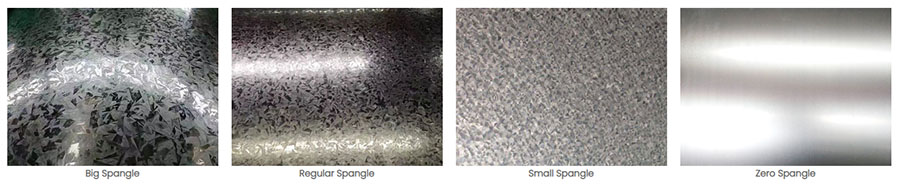
GI Pure Galvanized: Indoor dry warehouses: Z80/Z100; standard inland factory roofs: Z180/Z275; coastal short-term projects: minimum Z275.
GL Aluminum-Zinc Coating: Standard inland industrial buildings: AZ100/AZ150; coastal areas, aquaculture facilities, and solar panel mounts: starting at AZ150; AZ200 required in heavy salt fog areas.
Key Principle: The more severe the environmental corrosion and the longer the expected service life, the higher the coating weight should be selected. Thicker coatings provide longer-lasting rust protection.
How to Choose a GI or GL Steel Supplier?
4 Simple Criteria to Avoid Pitfalls in Overseas Sourcing:
- Check material test reports: Request salt spray test results and plating weight certificates to prevent low-thickness plating from being passed off as high-thickness plating;
- Assess production capabilities: Ensure the supplier has its own continuous production lines capable of consistently controlling bending and plating processes to prevent frequent peeling or color discrepancies;
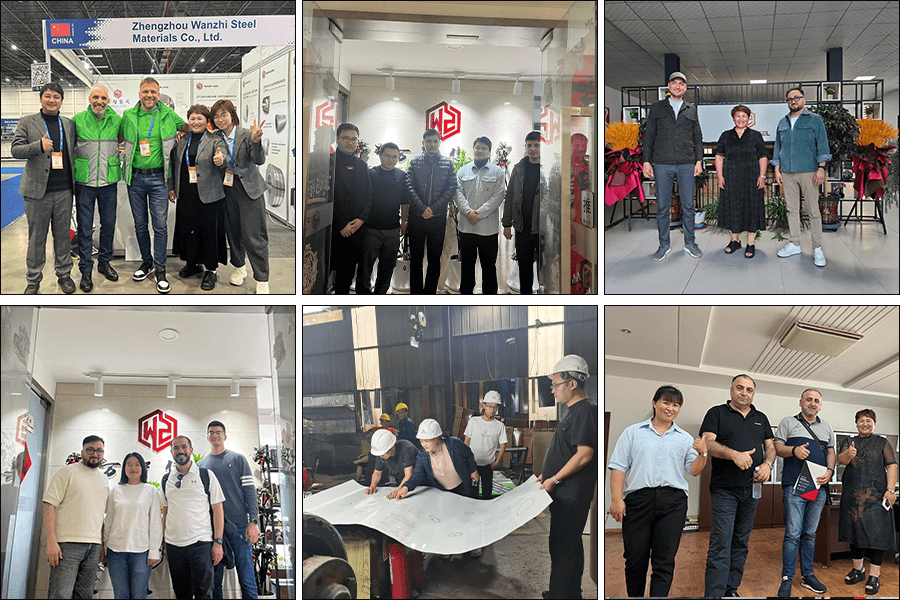
- Check export experience: Look for a track record of numerous exports to the Middle East, Southeast Asia, Europe, and the U.S., as well as familiarity with maritime moisture protection and packing standards to prevent rust upon arrival;
- Check after-sales support: Ensure they provide a written warranty and are willing to negotiate compensation for issues such as rust on the plating or other quality problems, without passing the blame.
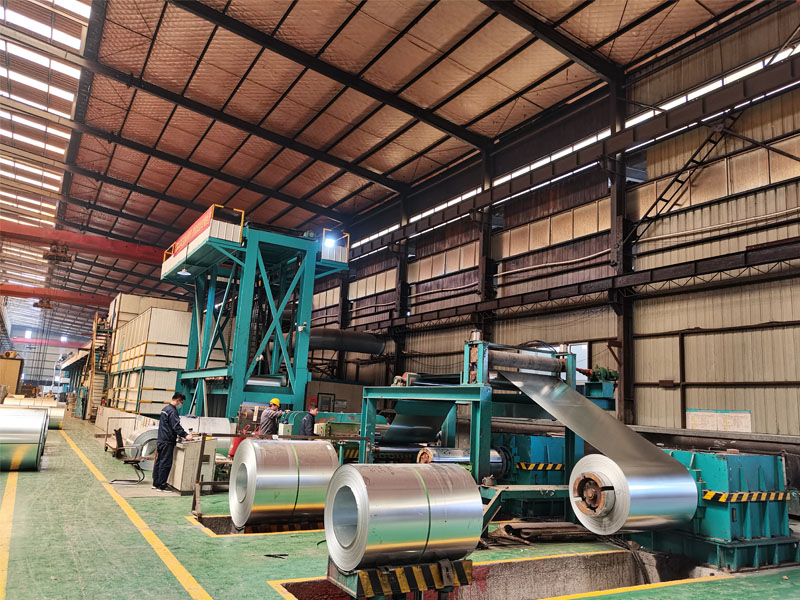
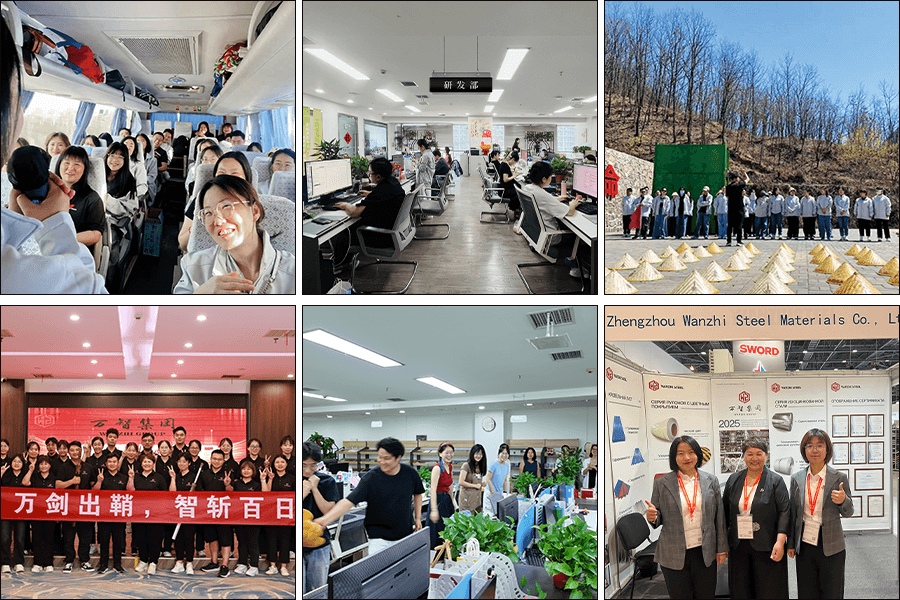
Wanzhi Steel: China’s Leading Supplier of Metal-Coated Steel
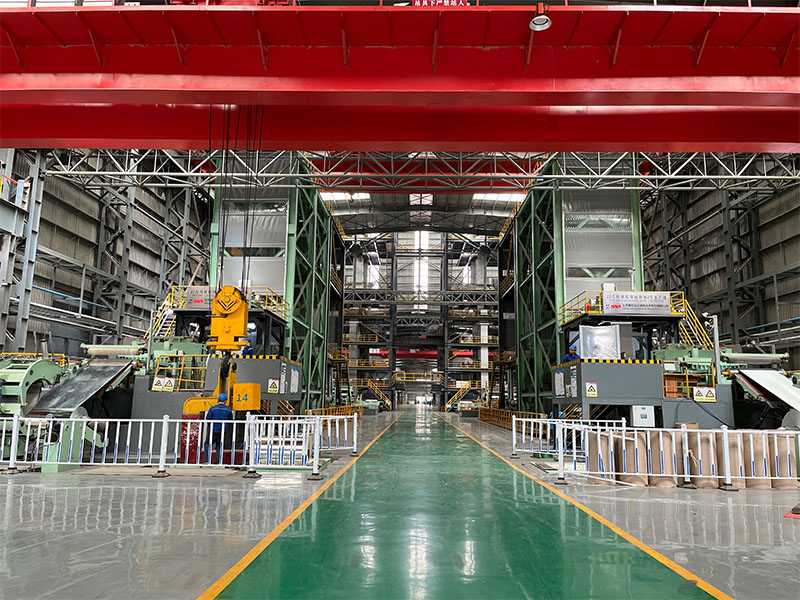
- We operate one hot-dip galvanized steel coil production line and one aluminum-zinc-coated steel production line, with 15 years of extensive production experience.
- In addition to our metal-coated steel coil production lines, we also have processing equipment for slitting, cutting, and roll forming, enabling us to supply coils, sheets (flat and corrugated), and strips.
- We maintain a rigorous certification process, including testing for mechanical and chemical properties, and operate our own testing center to ensure our products meet customer requirements.
- Wanzhi Steel has obtained certifications including ISO 9001, ISO 45001, ISO 14001, CE, SGS (our reports), and Trusted Supplier, among others.
If you need metal-coated steel products, or have any questions about the products, please feel free to contact us.