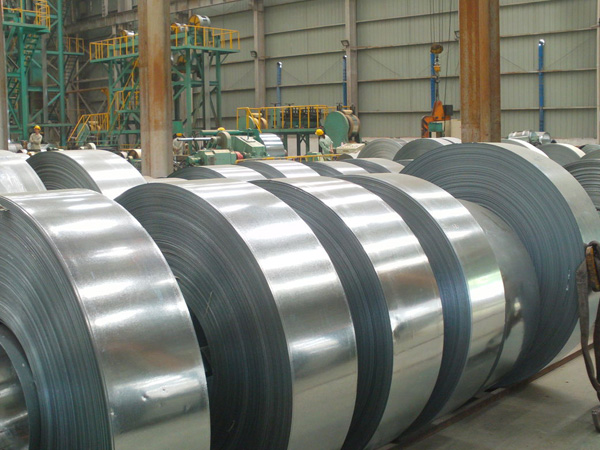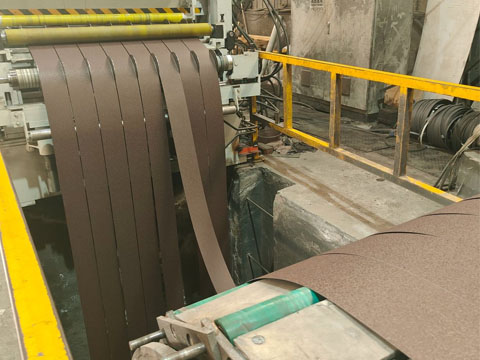

In the field of metal coating, the most common method for producing pre-coated steel sheets is roll coating. However, in recent years, with stricter environmental standards and technological breakthroughs, powder coating has also begun to be adopted in high-speed coil production lines.
The steel coils of various colors we see on the market are commonly referred to as pre-painted steel coils. Currently, the production processes for pre-painted steel coils include not only roll coating but also powder coating. These two processes operate on different principles, and the corresponding product names and application scenarios vary significantly. Let’s take a closer look together!
Roll Coating
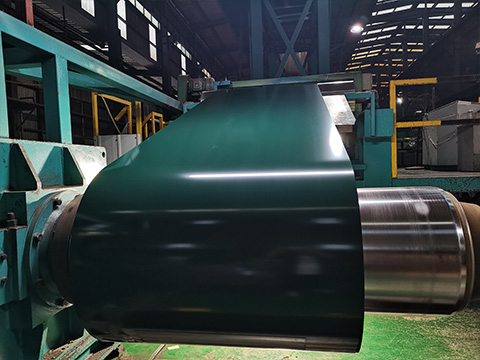
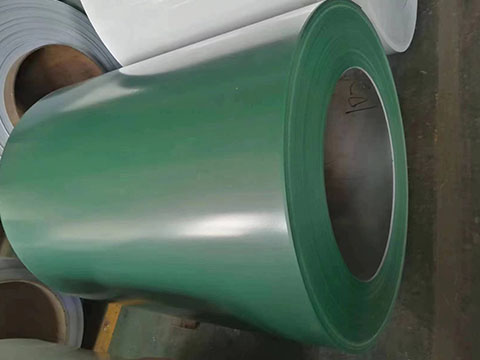
Roll coating is currently the mainstream coating process for color-coated steel coils. The coating is in liquid form, with common types including pre-painted galvanized steel coils (PPGI) and pre-painted galvanized-aluminum steel coils (PPGL). The paint types are classified as PE, SMP, HDP, and PVDF.
How is it applied?
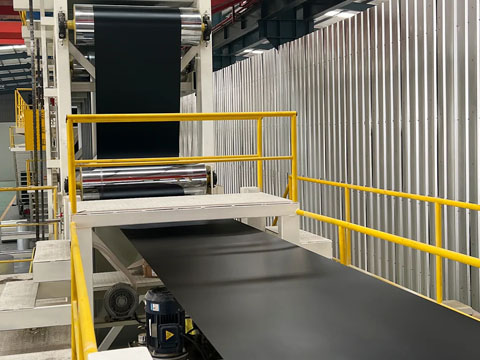
The core principle of roller coating involves using precision rubber rollers and coating rollers to uniformly transfer liquid paint onto the surface of a high-speed steel strip, much like printing, followed by instant curing through high-temperature baking. The entire process is completed in a single pass on a continuous production line several hundred meters long, with the steel strip being coated as it moves. The most common method is the “two-coat, two-bake” process, meaning one coat of primer and one coat of topcoat, each followed by a separate baking cycle.
Features of Roll Coating
- High efficiency: Production line speeds can reach tens or even hundreds of meters per minute, making it suitable for large-volume coil supply.
- Thin and uniform coating: Total coating thickness is generally around 5–25 μm, with high surface flatness.
- Low cost: The cost per unit area is extremely low, making it the dominant process in the global color-coated steel sheet industry.
Applications
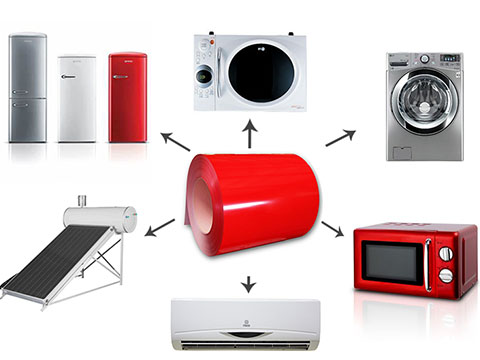
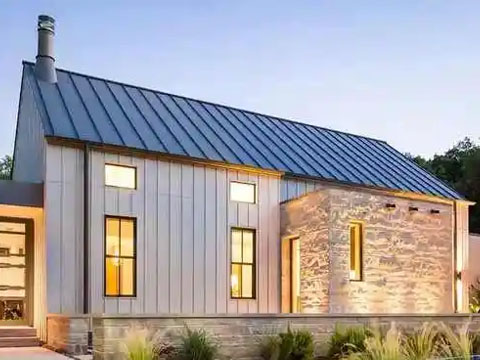
Standardized mass-produced products such as building facades and walls, home appliance casings (refrigerator and washing machine side panels), and steel door panels.
Our Coating Products
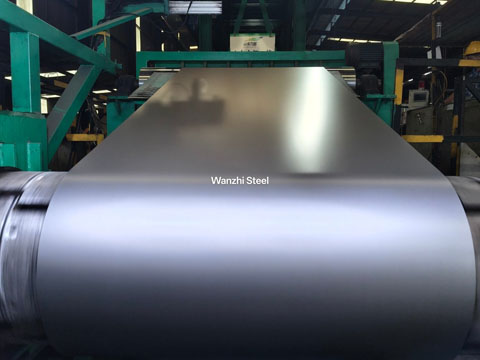
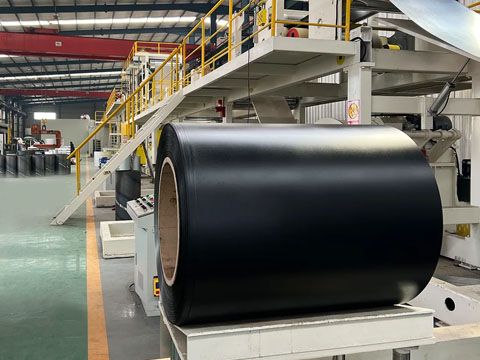
We operate our own coating production lines at our facility in Boxin County, Binzhou City, Shandong Province, manufacturing various types of color-coated steel coil products. In addition to PPGI and PPGL steel coils, our coating product range includes processed products such as:
- PPGI flat sheets: Manufactured by cutting finished PPGI steel coils to the required dimensions using shearing machines.Powder Coating
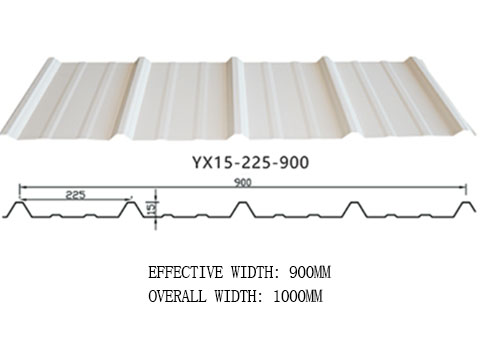
- PPGI roofing sheets: PPGI Roofing Sheets: Manufactured by forming PPGI steel coils using a roll forming machine.
- PPGL roofing sheets: Produced using the same process as PPGI roofing sheets, but with superior corrosion resistance and a longer service life.
- PPGI steel strips: Cut from PPGI steel coils using a slitting machine.
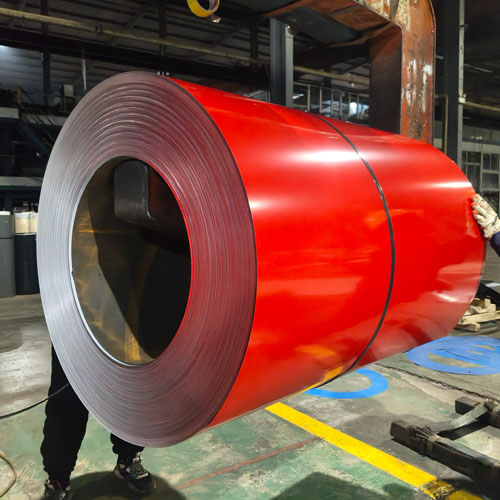
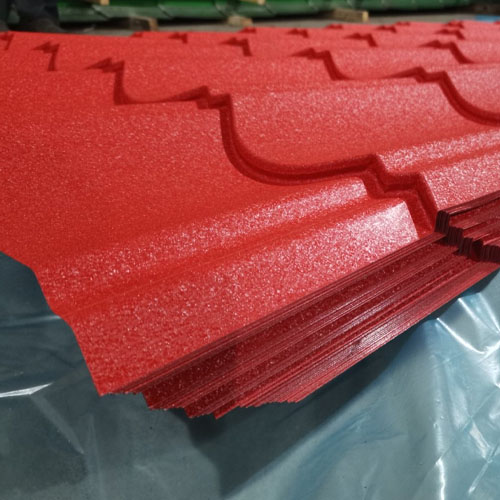
Product Supply Specifications
| ltem | Product Parameter |
| Thickness | 0.12 mm-1.2 mm |
| Width | ≤1250 mm |
| Substrate | Galvanized steel coil, Galvalume steel coil |
| Standard | EN,GB,JIS,GB,DIN |
| Material Grade | DX51D, DX52D, DX53D, DX54D, S220GD, S250GD, S350GD, S550GD, SGCC, SGCD, CGCC, A653, etc. |
| Coil Weight | 3-5 tons ,can be customized |
| Coatings | PE, SMP, HDP, PVDF |
| Coating Thickness | Top: 11-35μm, Bottom: 5-14μm |
| Paint Surface | Matt/Wrinkled/Glossy/Emboss |
| Colors | As per RAL Color,can be customized |
| Monthly Production | 5,000-10,000 tons |
| Package | Standard Export Package |
Powder Coating
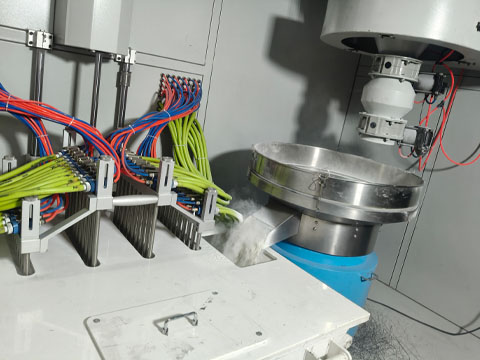
Powder-coated color-coated steel coils are also known as powder-coated color-coated steel coils. Powder coating uses solid powder paint that contains no solvents.
How is it applied?
The process works by charging the powder with static electricity so that it adheres to the grounded metal surface, then baking it at high temperatures to melt and flow into a dense coating. Powder coating is becoming increasingly popular in the color-coated steel coil industry.
Key Advantages
- Environmentally Friendly and VOC-Free: Powder coatings have 100% solids content and contain no organic solvents, ensuring zero VOC emissions throughout the production process.
- Dense and Ultra-Thick Coating: Powder coatings typically range from 60 to 80 microns in thickness, with high-end products reaching over 120 microns—approximately six times thicker than standard roll-coated color-coated steel sheets.
- Excellent Flexibility: Withstands 0° bending without cracking or peeling; pencil hardness reaches up to 5H or higher, making it ideal for applications requiring precision machining.
- Exceptional Corrosion Resistance: Withstands over 1,000 hours in neutral salt spray tests; acid and alkali resistance is 3–8 times that of standard color-coated steel coils.
Main Applications
- High-corrosion environments: livestock farms, smelting plants, thermal power plants, high-speed rail stations, and coastal buildings.
- Home appliance industry: refrigerator outer panels, washing machine panels, air conditioner casings, microwave ovens, etc.
- High-end decorative panels: metal interior and exterior curtain walls, elevator cabins, steel fire doors, vending machines, etc.
Purchasing Recommendations
Powder-coated steel coils are significantly more expensive than standard PE-coated steel coils. We do not recommend using them in low-demand applications such as general industrial buildings or warehouses. To fully leverage their advantages, they must be used in environments with high salt spray, high acid/alkali exposure, and high weather resistance requirements.
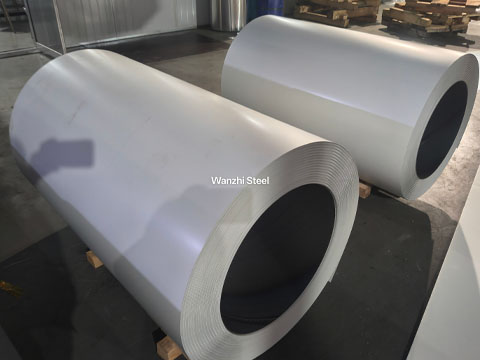
We employ two production processes for our color-coated steel coils: roll coating and powder coating. For example, our Whiteboard Steel Coil is manufactured using an electrostatic powder coating process. If you have a need for color-coated steel coils, please provide us with details regarding your application environment and budget, and our professional sales managers will recommend the most suitable product for your needs.
Spray Coating
Although the spray coating process is flexible, it is inefficient and is rarely used for pre-painted steel coils. There is also a type of liquid spray coating (Spray Coating), which is generally not used for large-scale coil production but is more commonly employed for on-site or in-factory touch-up coating of finished components.
How is it applied?
Spray coating involves atomizing liquid paint into fine particles using air or high pressure and spraying them onto the workpiece surface. It is categorized into air spray, airless spray, and electrostatic spray, all of which require high-temperature curing afterward.
Where is the spray coating process specifically used?
The strength of spray coating lies in its flexibility. In steel structure engineering, steel beams, columns, purlins, as well as irregularly shaped metal components and on-site touch-ups cannot be coated using roll coating and must rely on spray coating. Additionally, spray coating is widely used for non-coil metal applications such as automotive bodies, agricultural machinery, and industrial equipment housings.
Summary
The above provides a comprehensive overview of the coating processes for color-coated steel coils. If you are currently sourcing color-coated steel coils, selecting architectural color-coated steel products, or working on home appliance color-coated steel projects, please feel free to contact us for product details. We will recommend the optimal procurement solution based on your specific application environment and budget.
Wanzhi Steel is a professional manufacturer of color-coated steel coils. We primarily serve the construction, home appliance, and automotive industries, supplying high-quality steel products to customers in these sectors. If you have any needs, please feel free to contact us at any time!