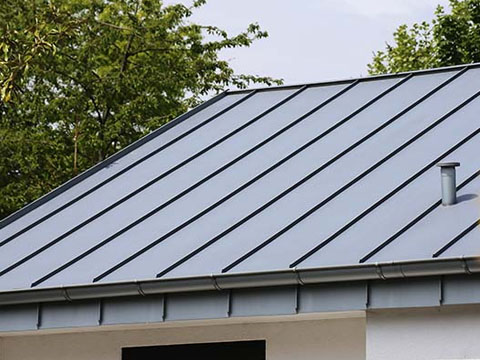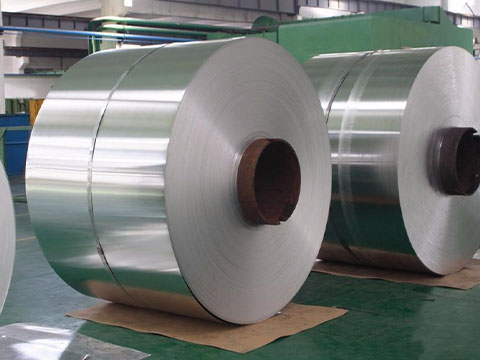

If you’re sourcing the following products from China, you’re bound to encounter the topic of minimum order quantities (MOQs).
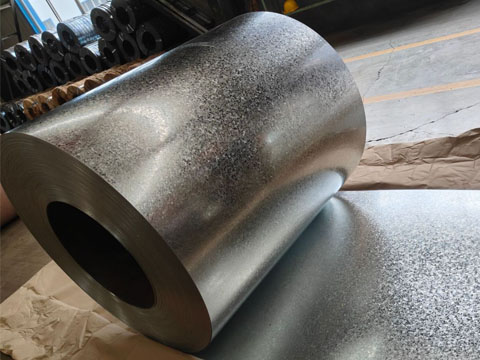
- GI = Galvanized Steel Coil
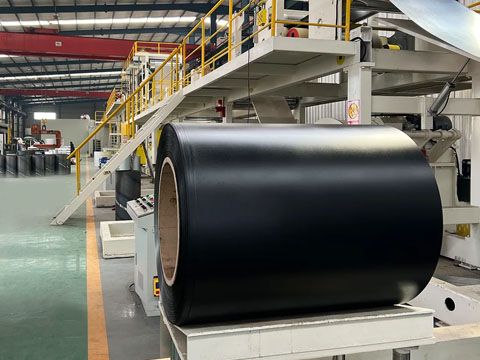
- PPGI = Prepainted Galvanized Steel Coil
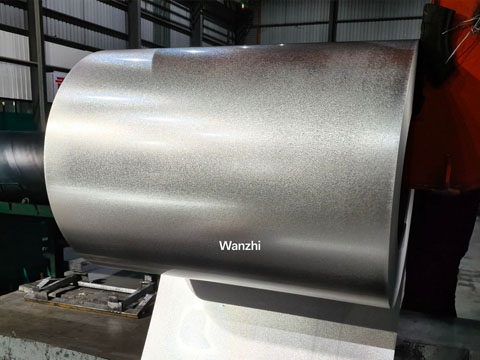
- GL = Galvalume Steel Coil
Many overseas buyers are often confused:
- Why do I have to buy an entire coil for special specifications?
- Why does the steel mill flat-out refuse when I only want to buy a few tons?
- Why can I buy smaller quantities for standard colors but not for special colors?
- Why do MOQs vary so much between different products?
The answer lies not in sales policies, but in the factory’s production lines.
Here’s an important reminder: Most businesses that accept small-batch orders are distributors or wholesalers, and their product quality and specification consistency are often difficult to guarantee. We recommend prioritizing partnerships with well-established, experienced steel manufacturers. This allows you to benefit from more reasonable MOQ policies while ensuring consistent quality and technical support.
Today, starting with a 30-ton-plus hot-rolled coil, we’ll take you through the entire journey of steel—from “raw materials” to “finished products.” By the end, you’ll understand why bulk orders are the truly efficient, stable, and cost-effective choice.
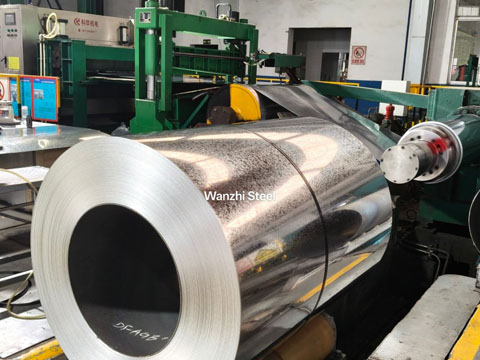
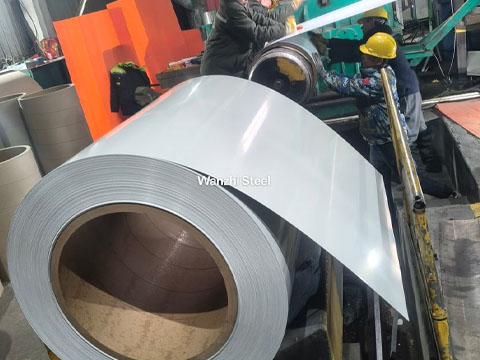
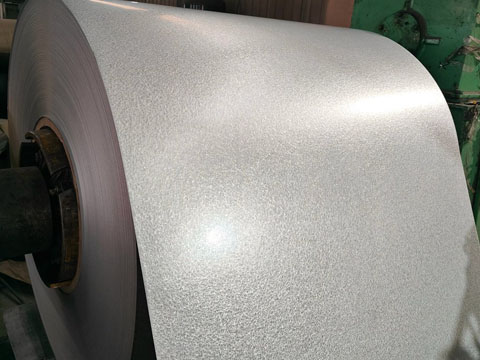
I. Starting with the Master Coil: Hot-Rolled Coil (HRC)
The first product produced by a steel mill is called a hot-rolled coil (HRC). Its typical specifications are:
- Thickness: 2.0 mm
- Width: 1,250 mm
- Coil weight: 30–35 tons
Why start with such large coils?
Because hot rolling is a large-scale, continuous production process. Only by maintaining large coil weights can the following be achieved:
- Higher production efficiency
- Lower energy consumption
- Fewer coil changes
- More stable product quality
Therefore, a hot-rolled coil naturally weighs over 30 tons. This is the steel mill’s “economic master coil” and serves as the starting point for all subsequent processes.
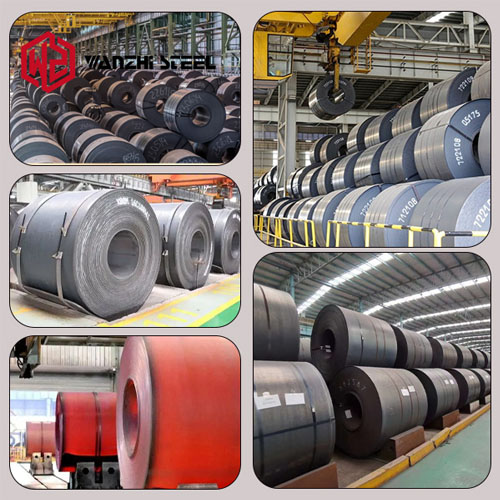
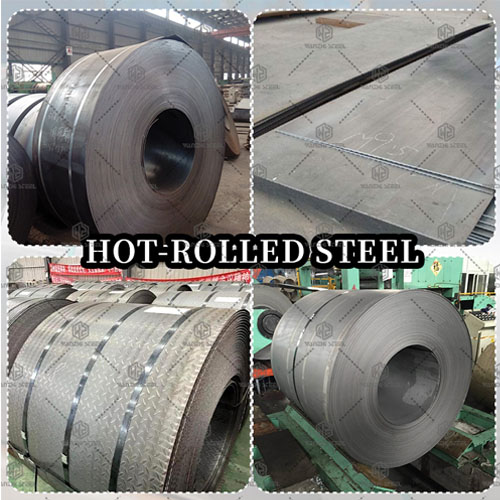
II. Cold Rolling (Pickling + Cold Rolling)
The hot-rolled coil then enters the pickling + cold rolling process, transforming into a full-hard coil.
For example: A 2.0 mm thick hot-rolled coil becomes 0.5 mm thick after cold rolling—the steel sheet is thinned, its length is significantly increased, and its surface becomes flatter, preparing it for subsequent galvanizing and color coating.
However, there is a key limitation here: the maximum load capacity of the coiler in cold rolling equipment is typically only 15–18 tons.
Therefore, a 32-ton hot-rolled coil must inevitably be split into two Full Hard Coils of approximately 16 tons each after cold rolling.
This is why, within the same order, you often see multiple coil numbers for the same furnace number and specifications. It is not that the steel mill intentionally splits them; rather, it is determined by the equipment’s capacity.
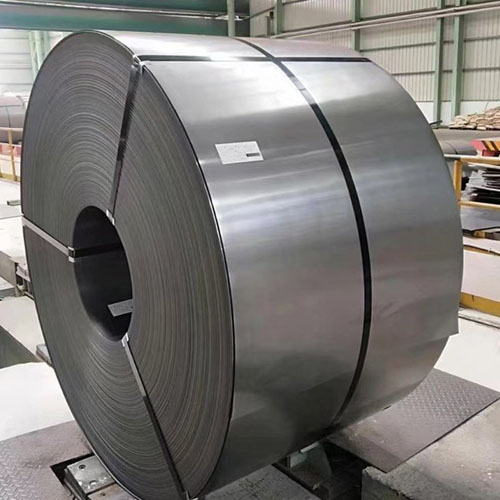
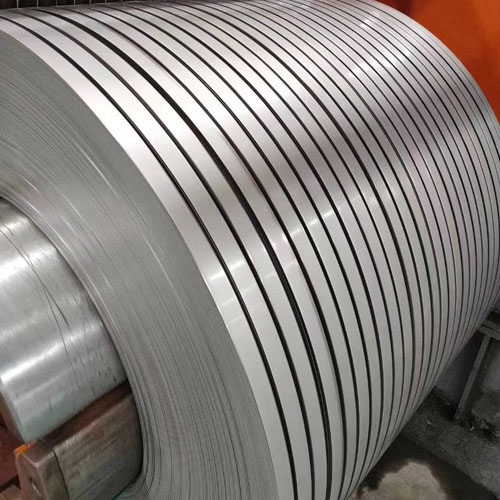
III. Galvanized Coils (GI) Are Produced Continuously
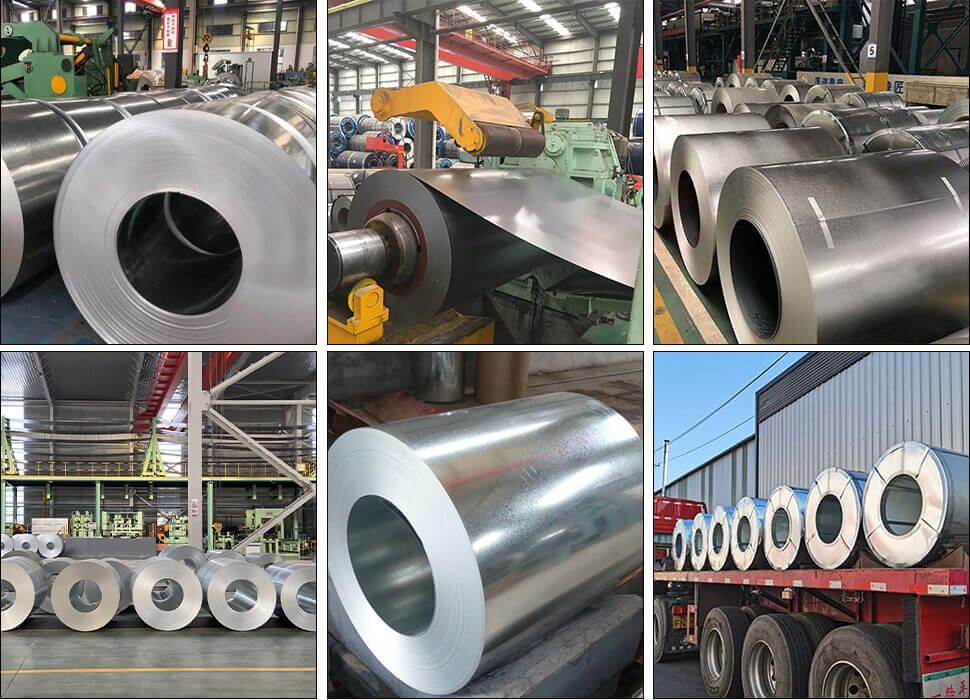
The cold-hardened coils (15–20 tons) enter the continuous galvanizing line (CGL) and are transformed into galvanized coils (GI).
Many customers ask, “I only need 5 tons—can’t you just produce 5 tons for me?” The answer is: No.
This is because the galvanizing line operates continuously—the tail end of one coil is welded to the head of the next, and the entire line runs non-stop without interruption. Every time you want to change a specification (such as different thickness, zinc coating, or width), the production line must be shut down for adjustments, resulting in significant additional waste:
- Setup Loss
- Head & Tail Scrap
- Increased Zinc Consumption
- Trial Production Loss
Result: A single continuous production run yields at least 10–25 tons of galvanized coils. After subsequent slitting and packaging, common finished product weights are 5 tons, 8 tons, etc.
The advantage of large-volume orders is evident here: the same setup costs are spread across a larger tonnage, significantly reducing the cost per ton.
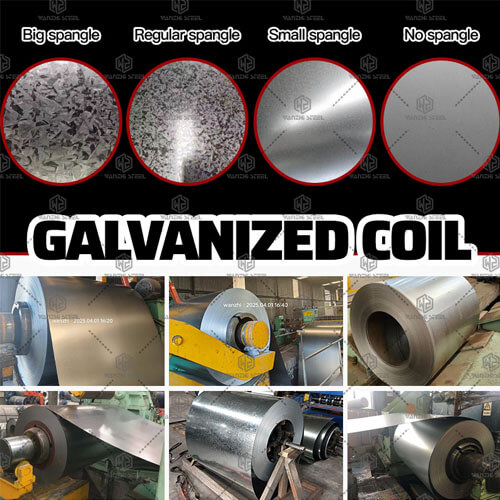
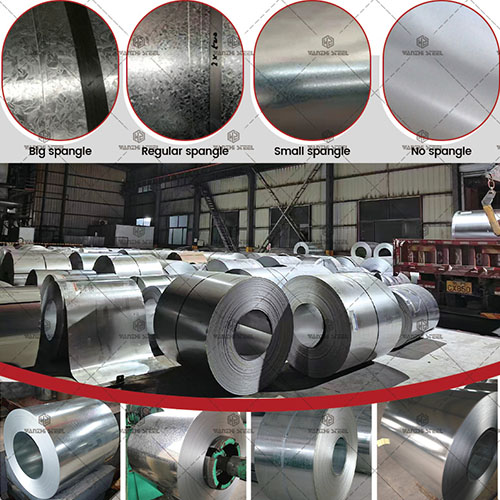
IV. Changing the color of pre-painted steel coils results in a loss of 1 to 3 tons
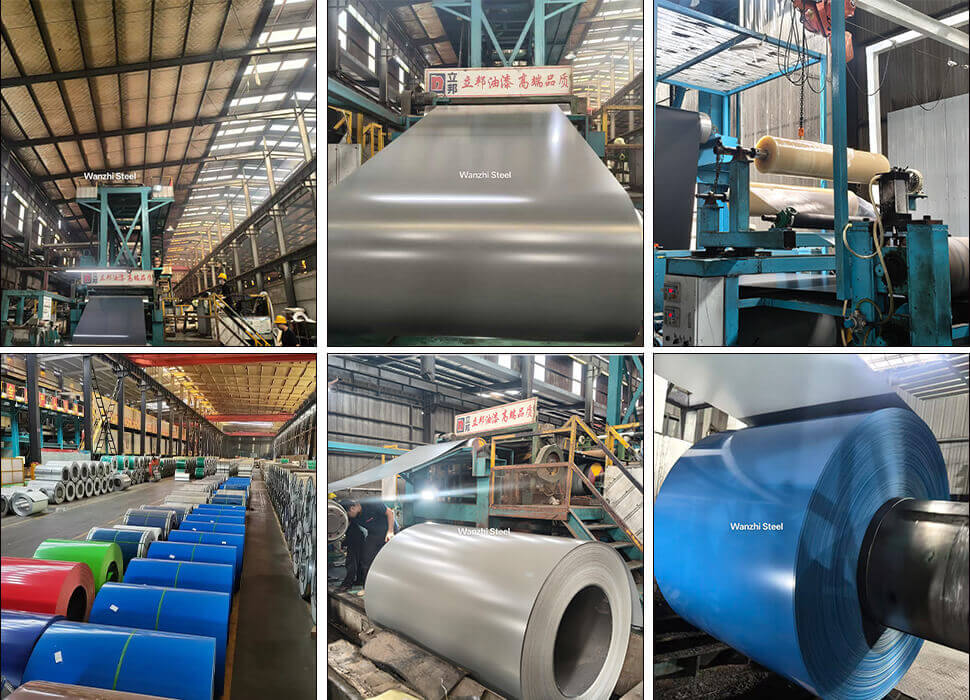
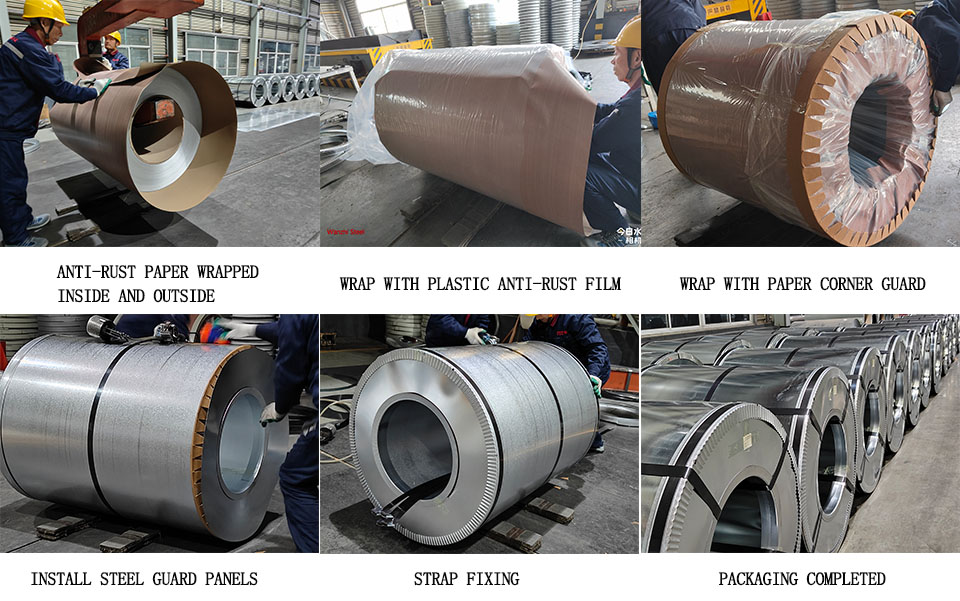
Galvanized coils enter the color coating line (CCL) to produce color-coated coils (PPGI). To accommodate overseas shipping, handling, and customer use, the final product typically weighs between 3 and 10 tons.
Why is the MOQ for special colors particularly high?
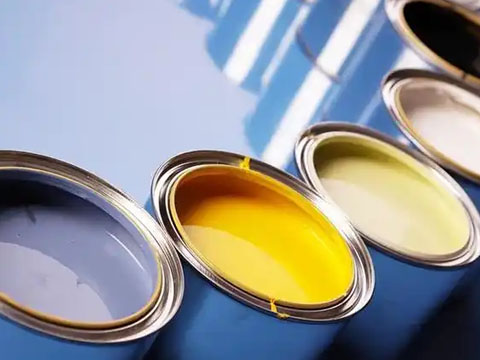
Because color changes are the biggest challenge for color coating lines. For example: When switching from white (RAL 9003) to dark gray (RAL 7016), the production line requires:
- Thorough cleaning of paint hoses and rollers
- Re-formulation of the paint and test coating
- Stabilization of film thickness and elimination of color differences
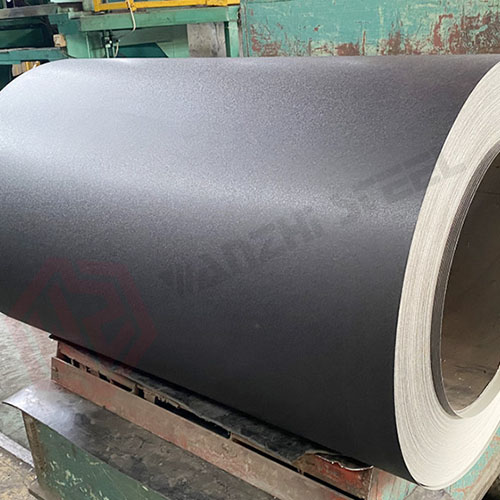
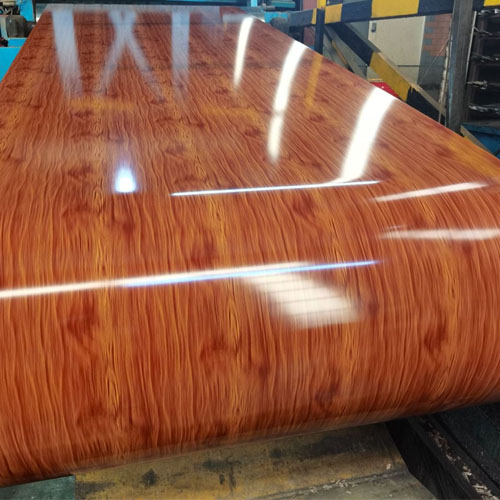
This process alone results in direct material waste of 1–3 tons. If only 5 tons of a specific color are produced, and 1–3 tons are lost to waste, how much finished product remains? The cost would be exorbitantly high. Therefore, the MOQs for the following products are naturally higher:
- Matt PPGI
- Wood Grain Steel
- PVDF / HDP Coated PPGI
Conversely, mass production of a single color: setup waste is spread out, unit costs drop significantly, and delivery times become more stable.
V. Why are steel mills reluctant to accept orders for “less than a full coil”?
Many customers intuitively assume: “The smaller the quantity, the easier it should be to produce.” But the reality is quite the opposite: small-batch, multi-specification orders are the biggest headache for steel mills. There are three reasons for this:
Continuous production lines have an “economic coil weight”
Each processing stage (cold rolling, galvanizing, color coating) has a minimum economic batch size. If the order volume falls short of this unit, production line efficiency plummets, and setup costs become disproportionately high.
Remaining materials easily become “dead stock”
Suppose a customer orders a custom color or zinc coating but only takes a portion of the coils. Due to their unique specifications, the remaining coils may sit unsold for months or even a year, eventually turning into dead stock. Steel mills will inevitably factor this cost into their quotes upfront—which is why quotes for small-batch, special-specification orders are often shockingly expensive.
Special specifications are difficult to consolidate
Standard specifications (such as standard zinc coating and standard white or gray finishes) can be consolidated from multiple customers’ orders for production: Customer A’s 5 tons + Customer B’s 8 tons + Customer C’s 12 tons = a single production run of 25 tons, with costs shared among all parties.
However, special specifications (special colors, special widths, high-zinc coatings, special paint finishes, high-strength steel) are almost impossible to match with other orders and must be produced separately. Since they are produced separately, they must meet the economic weight requirement for a full coil.
VI. Recommended MOQ Guidelines
Based on the production logic outlined above, we have compiled a reference table for recommended purchase quantities. By following these recommendations, you can secure better prices, shorter lead times, and more consistent quality.
| Product Types | Minimum Order Quantity(MOQ) | Notes |
| Hot-Rolled Coils (HRC) | 25 tons | Special widths or special steel grades: 50–100 tons |
| Cold-Rolled/Full-Hard Coils (CR/Full Hard) | 50 tons (for special thicknesses or hardnesses) | Significant cost savings available for large orders |
| Galvanized Coils (GI) – Standard Sizes | 10 tons | Minimum order quantity for mixed orders: 5–10 tons |
| Galvanized Coils (GI) – Custom Sizes | 10 tons minimum; one container is recommended | High zinc coating, high strength, special widths |
| Pre-painted Steel Coils (PPGI/PPGL) – Standard Colors | 10 tons | Standard colors (white, gray, etc.) available for mixed orders of 5–10 tons |
| Pre-painted Steel Coils (PPGI/PPGL) – Custom Colors | >10 tons | Special RAL colors: 25–50 tons; Matte/Woodgrain: 15–25 tons |
| Profiled Sheets/Corrugated Sheets | 5 tons | Special sheet profiles: Minimum order of 1 container |
Conclusion: High-volume production is the true key to “efficiency and value for money.”
The essence of steel production lies in continuous, large-scale operations, not in custom-made single-unit production.
- For standard specifications: Small quantities can sometimes be addressed through order consolidation, but this process takes time and is subject to the order schedules of other customers.
- For custom specifications (special colors, widths, zinc coatings, surface treatments, high-strength steel): A minimum economic coil weight must be met; otherwise, the factory will either refuse the order or quote a price so high that it lacks commercial viability.
Conversely, the tangible benefits of large-volume orders for customers are clear:
- Lower unit price per ton (fixed costs are spread out).
- Shorter lead times (priority scheduling).
- More consistent product quality (reduced fluctuations from line changes).
- Lower inventory risk (standardized specifications, easier to manage).
Contact Us
If you are sourcing GI / PPGI / GL / steel coils from China, please feel free to contact us for a quote and technical support. We offer:
- Quotes (exclusive discounts for bulk purchases).
- MOQ analysis (to help you plan your optimal purchase volume).
- Special spec support (Bulk customization made easy).
When requesting a quote, please provide the following information so we can quickly provide you with an accurate quote and solution:
- Specification (thickness × width)
- Steel grade
- Coating (Zinc / Paint)
- Color (RAL)
- Quantity (Volume purchases qualify for additional discounts)
- Destination port
Contact Information
- Email: info02@wanzhisteel.com
- WhatsApp:+86 15138685087
- WeChat: +8617637100809