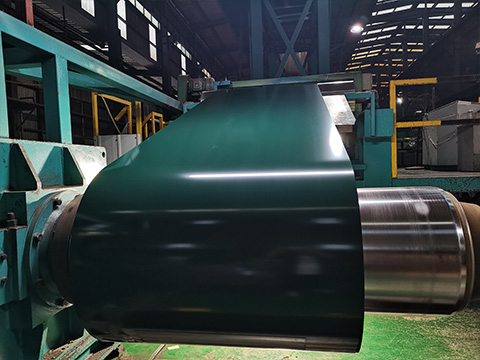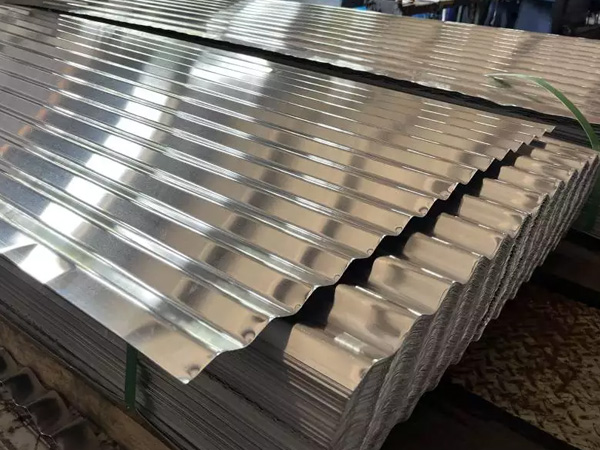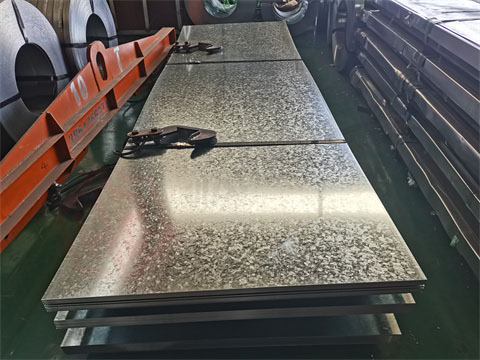

How should one go about selecting color-coated steel coils during the procurement process? There is a phenomenon that is extremely common yet highly misleading. When many procurement personnel or project managers receive quotations from different suppliers, their first reaction is often: “Why is there such a significant price difference?”
On the surface, it appears to be a price discrepancy, but at its core, it stems from differences in product specifications, quality control, and service systems. This article begins by addressing these conceptual differences, systematically outlining the key dimensions for selecting color-coated steel coils, the underlying logic behind price variations, common pitfalls, and practical procurement recommendations—all to help you make more sustainable choices in real-world projects.
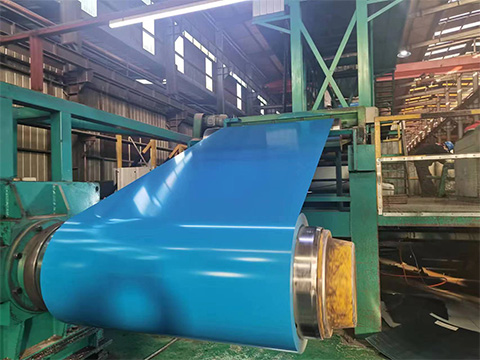
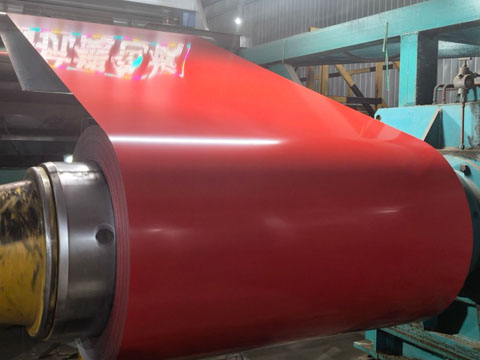
“Seeking Low Prices” vs. “Managing Risk”
In the procurement of color-coated steel coils, two distinctly different decision-making logics are often observed.
- The first type of buyer focuses primarily on price—“Is there a lower quote?” “Is there a profit margin?” “Can we close the deal quickly?” This approach is typically seen in trading scenarios or short-term projects.
- The second type of buyer prioritizes stability: “Is the quality consistent across every batch?” “Will there be issues during use?” “Will it affect downstream production or the project’s entire lifecycle?” This approach is more common among end-users and engineering firms.
These two approaches are not mutually exclusive and should not be pitted against each other. The real issue is that if you haven’t clearly defined your core objectives from the start, no matter how much you compare prices or examine specifications later on, you’re likely to head in the wrong direction. The optimal choice is not an either-or trade-off between “the cheapest” and “the most expensive,” but rather finding the “overall value for money” with a clear bias based on the project’s actual needs.
Why Is There Such a Big Price Difference for the Same Color-Coated Steel?
Many customers have a common question: Why do some quotes differ by a hundred or two, or even more? The reason usually isn’t about “how much the supplier wants to profit,” but rather the differences in the specifications themselves, which mainly include the following points:
Base sheet thickness
Thickness is one of the most common parameters in procurement contracts, and it’s also where the most “padding” occurs. The key is whether the base sheet is thick enough.
The reality in the industry is that many suppliers manipulate the “actual thickness.” A color-coated steel coil labeled as 0.5 mm thick may actually be only 0.45 mm thick, or even thinner.
Zinc Coating Weight
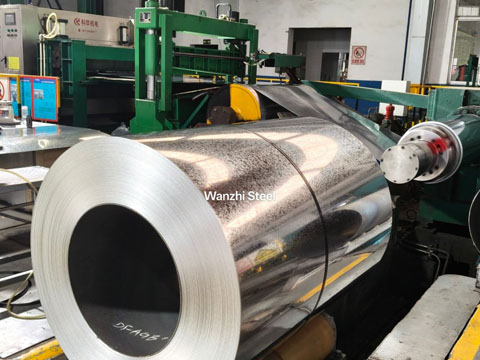
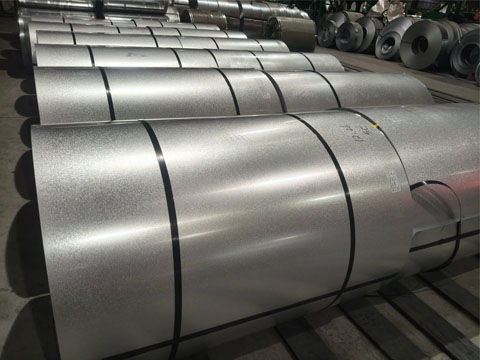
The zinc coating serves as the “protective layer” of color-coated steel coils and is central to corrosion protection, acting as a barrier between the substrate and air and moisture to prevent rust. Price differences based on zinc coating weight are significant. Common zinc coating weights in the market are 40 g/m², 80 g/m², and 120 g/m² (single-sided), while some high-demand applications may require 180 g/m² or 275 g/m².
In coastal or high-humidity environments, insufficient zinc coating weight may lead to rusting within a few years. Conversely, selecting excessively high-spec zinc coatings in dry inland environments results in a waste of resources (and budget).
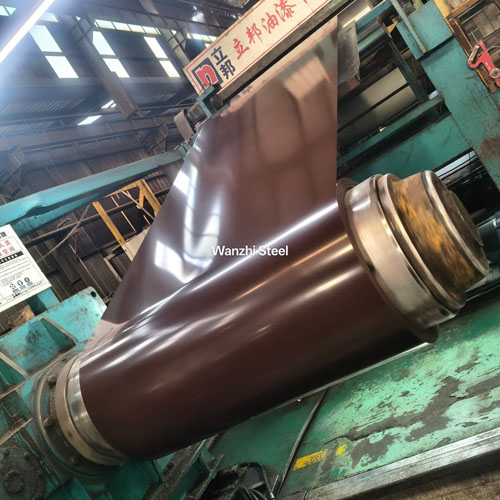
Paint Coating
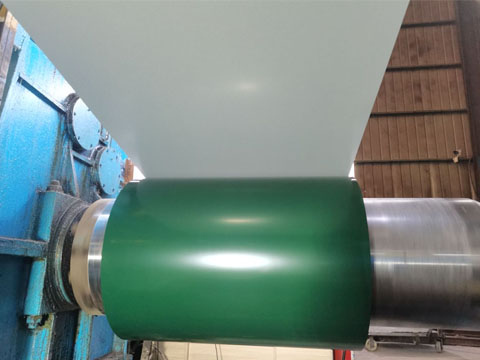
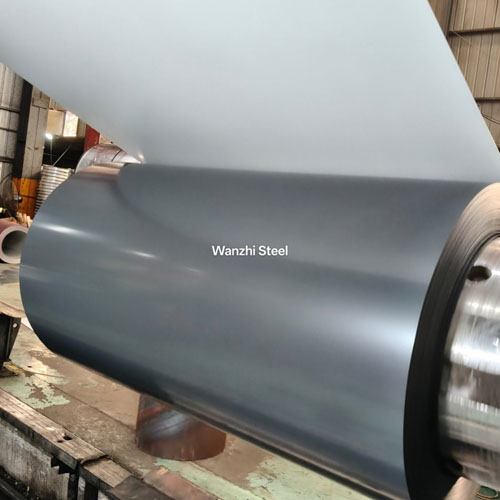
The paint coating is the key factor determining the weather resistance of color-coated steel coils. Different coating types exhibit significant differences in UV resistance, color retention, and chemical corrosion resistance.
- PE Coating: A basic option offering high cost-effectiveness and good adhesion, suitable for indoor or light outdoor environments.
- SMP Coating: Mid-range weather resistance with higher hardness, good gloss retention, and stain resistance, suitable for outdoor settings such as urban factories and commercial buildings.
- HDP Coating: An upgrade from PE, offering stronger weather resistance and corrosion resistance than SMP, with longer color retention, suitable for regions with intense UV exposure, high temperatures, and high humidity.
- PVDF Coating: A high-end fluorocarbon coating with a lifespan of over 20 years. It offers exceptional UV resistance and resistance to chalking, making it suitable for extreme environments such as coastal areas, highly polluted regions, and highly corrosive conditions.
For more information, please refer to “How to Choose PPGI Paint Coatings.”
Manufacturing Process and Stability
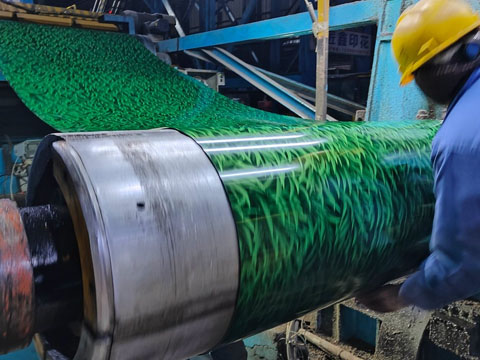
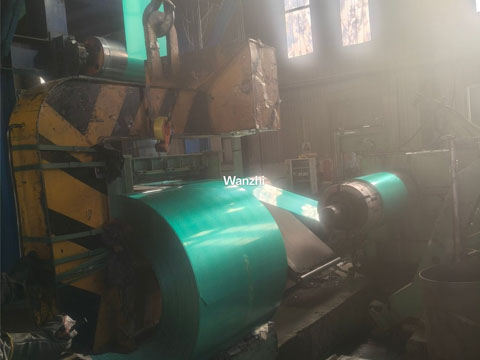
Even with identical specifications, batch-to-batch consistency and coating uniformity can vary significantly between different manufacturers.
Product quality can also differ greatly among manufacturers—including color consistency between batches, coating thickness uniformity, compliance with adhesion standards, and the presence of burrs on the edges of the coils. These issues cannot be detected through pre-purchase specification comparisons alone; they only become apparent during actual processing and use.
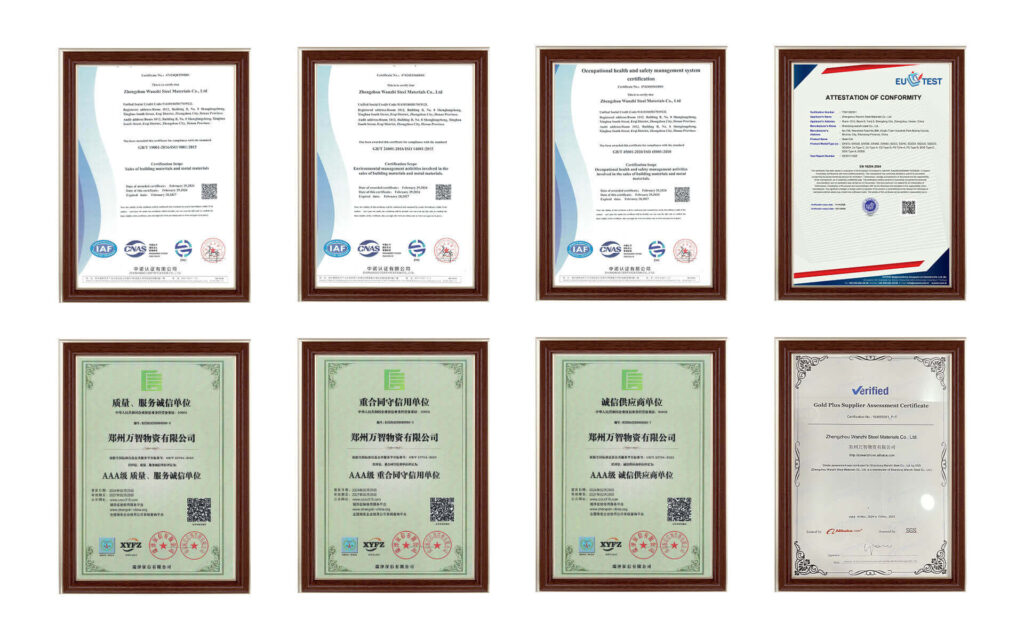
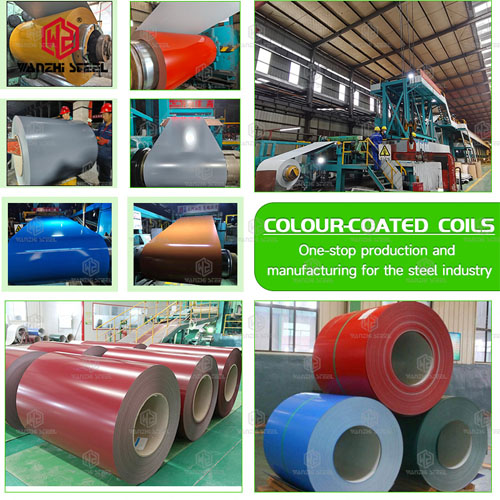
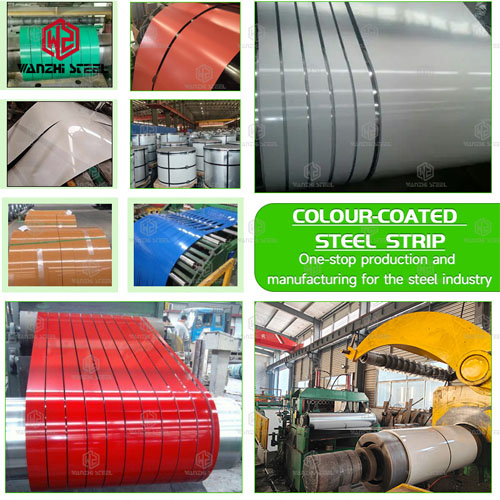
Wanzhi Steel possesses advanced production processes, extensive manufacturing experience, and dedicated quality control personnel, ensuring color consistency within and across batches, as well as uniform coating thickness.
4 Common Mistakes in Purchasing Color-Coated Steel Coils
Mistake 1: Comparing Prices Without Standardizing Specifications
This is the most common mistake. Many buyers focus solely on the total price per ton, while overlooking differences in core specifications such as substrate thickness, zinc coating, coating type, and manufacturing processes.
For example, a quote for a product labeled as 0.5mm (but actually 0.45mm thick) with a 40g zinc coating and a PE coating will inevitably be much lower than one for a product that is a full 0.5mm thick with a 120g zinc coating and a PVDF coating.
Without standardized specifications, all price comparisons are meaningless and may even result in purchasing low-spec, substandard products at a “high price” (relative to their actual specifications).
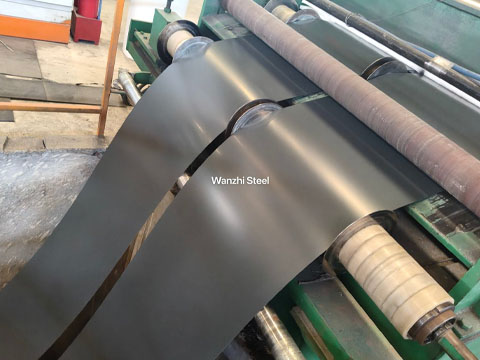
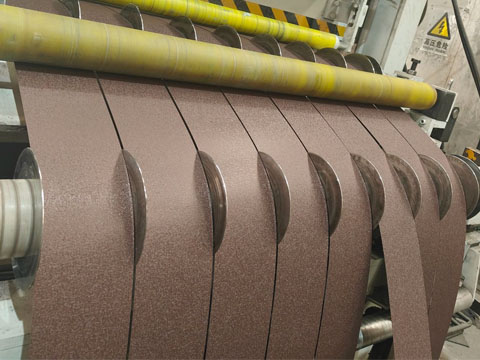
Mistake 2: Ignoring “Inflated Thickness Specifications”
As mentioned earlier, inflated thickness specifications are a very common practice in the industry. A difference of just 0.05 mm can directly determine the wind resistance and load-bearing safety of roof panels in certain projects where load-bearing capacity is critical.
If a supplier lists a higher nominal thickness but the actual thickness falls short, the building’s design load requirements may not be met, posing significant risks.
Misconception 3: Failing to Select Materials Based on the Application Environment
Many buyers simply specify “outdoor use” during procurement, overlooking the differences in specific environmental conditions. The requirements for color-coated steel coils vary significantly depending on whether the application is in a general outdoor setting, a high-humidity region, a coastal area with high salt content, or an industrially polluted area.
For example, coastal regions must use high-zinc coating (≥120 g/m²) combined with a PVDF coating to resist salt spray corrosion; for indoor industrial buildings, a PE coating can be selected to reduce costs. Choosing the wrong material will lead to premature product failure and increase overall costs.
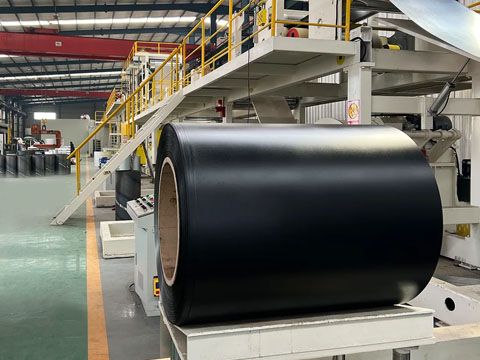
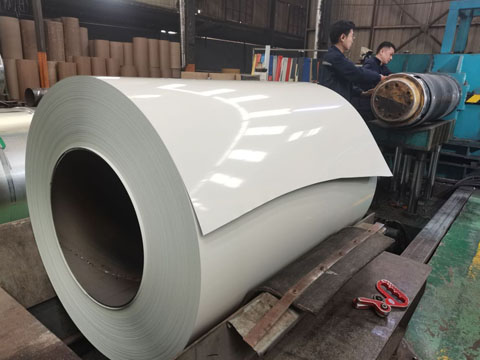
Misconception 4: Ignoring Total Cost and Focusing Only on Low Initial Prices
“Low price” is a common misconception in procurement. Some buyers treat price as the sole decision-making criterion, overlooking subsequent hidden costs—such as increased maintenance costs due to substandard products, project delays caused by late deliveries, and difficulties in resolving issues due to a lack of after-sales service.
The correct approach is to adhere to the principle of “total cost optimization,” comprehensively considering the full lifecycle costs of product price, quality, logistics, and after-sales service.
Conclusion
Purchasing color-coated steel coils is by no means a simple matter of requesting a quote and closing a deal. If you clearly understand whether your current project should prioritize “cost control” or “risk management,” and know where costs can be reduced and where quality must be maintained, you can avoid many pitfalls.
Selecting pre-painted steel coils is not merely a one-time comparison of purchase prices; it is a long-term commitment to the future stability and value retention of the building structure. A careful and precise initial selection can save significant maintenance and renovation costs over the product’s lifespan.
Please share your application details and objectives (intended use, environment, and expected service life) with us, and we will provide configuration and pricing recommendations to help you avoid unnecessary detours.
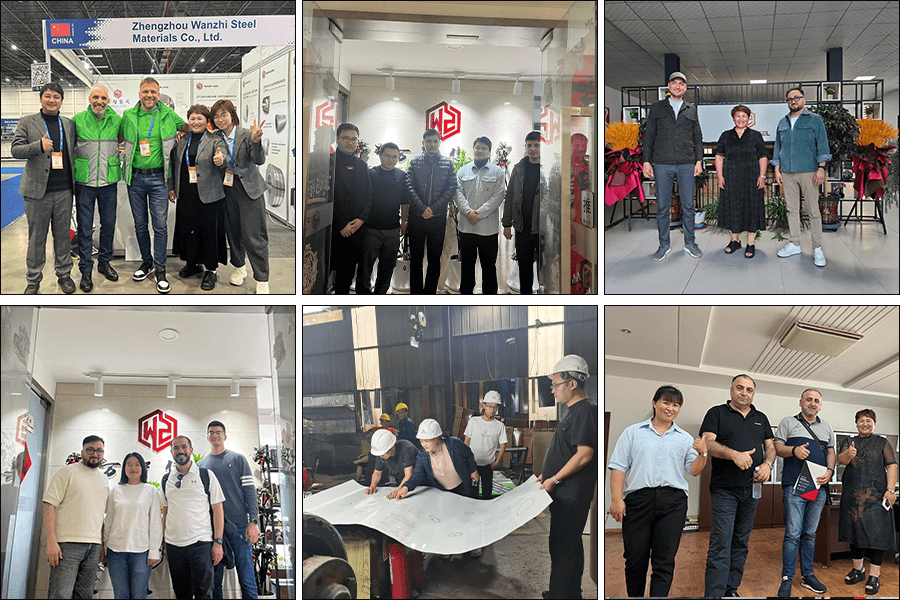
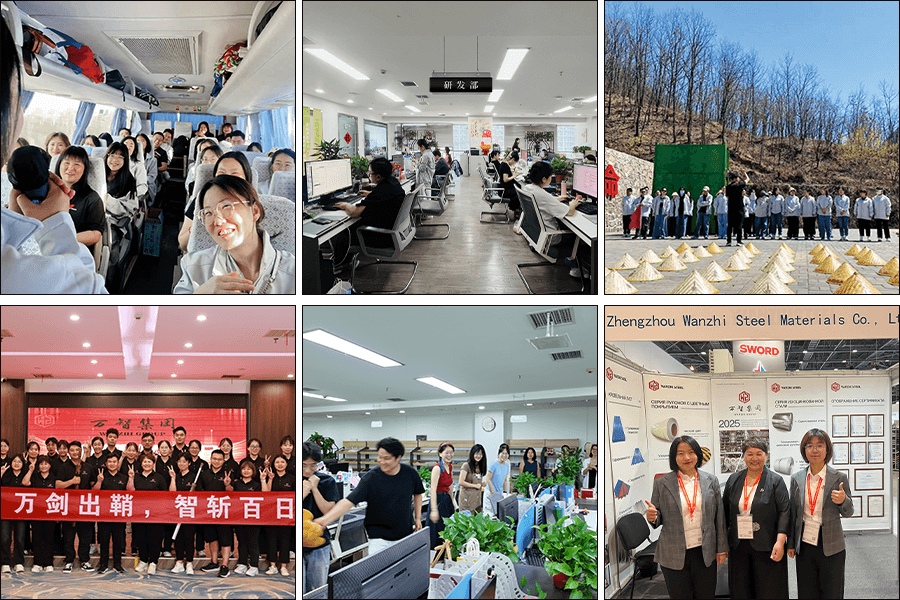
Wanzhi Steel Group has been ranked among the top 8 companies in the global PPGI market by a third-party research firm, placing it on par with Baosteel and ArcelorMittal. Please see the image below:
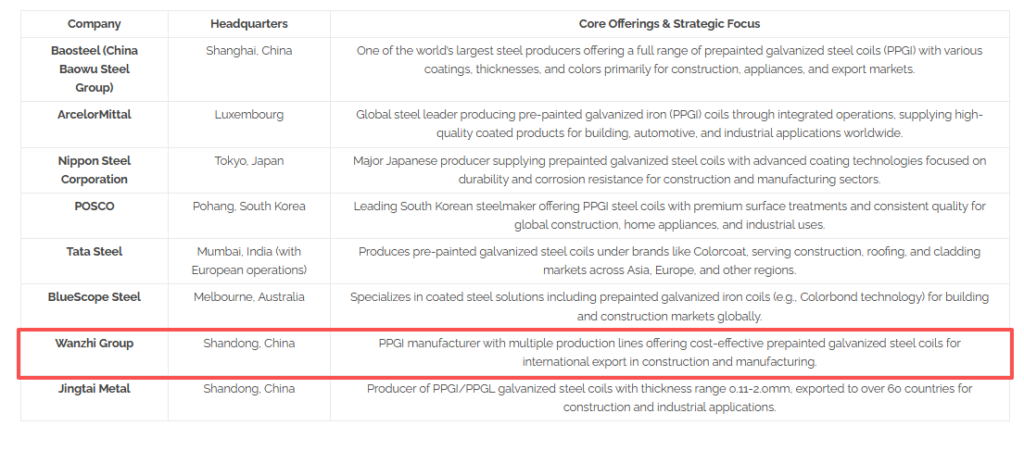
Image source: https://pmarketresearch.com/worldwide-pre-painted-galvanized-iron-ppgi-steel-coil-market-research/
Contact Us
- WhatsApp: +8615138685087
- WeChat ID: alanejay021
- Email: info02@wanzhisteel.com
Discover Our Color-Coated Steel Coil Products
- PPGI Coil: Suitable for general indoor and outdoor applications, offering consistent quality and excellent value for money. The zinc coating can be customized from 30 g/m² to 275 g/m², and paint coatings include PE, SMP, HDP, and PVDF.
- PPGL Coil: Offers superior corrosion resistance compared to PPGI, making it ideal for harsh environments such as coastal areas and high-humidity conditions, with a longer service life.
- Electrostatic Spray-Coated Color Steel Coils: Featuring uniform coating, vibrant colors, and excellent adhesion, these are suitable for applications with high aesthetic requirements, such as interior decoration and appliance casings.
- Laminated Film-Coated Metal Coils: A colored film is laminated onto the surface of the metal coil, providing excellent corrosion resistance, wear resistance, and scratch resistance.