
Steel Knowledge
This video knowledge page compiles the questions Wan Zhi Steel is most frequently asked by customers and explains them clearly in a series of short videos. How do you choose between galvanized and galvanized-aluminum-zinc sheets? What’s the difference between PCM and VCM in home appliances? In typhoon-prone areas, should you prioritize strength grade or coating for roofing sheets? How do you assess the corrosion resistance of a galvanized coating? Where are 0.4, 0.5, and 0.6 mm color-coated coils typically used? And what quality control checks must products pass before leaving the factory? You’ll find detailed explanations for all these questions here.
Our presenters come from the front lines of production and quality control. They cut to the chase—going beyond mere specifications—and focus on project environments, processing methods, and procurement costs to help you clarify your material selection strategy. Whether you’re working on construction projects, handling procurement, managing fabrication, or just getting started with steel, you can browse by topic. Content will be updated regularly, so you can easily come back to check, compare, and share at any time.
GI Steel vs GL Steel: Which One Is Better for Your Project
When it comes to coastal factories, aquaculture sheds, roofs, and solar mounting structures, people often hesitate between galvanized steel (GI) and galvanized-aluminum steel (GL). This article doesn’t simply state which is better; instead, it examines processing methods, usage environments, and coating thicknesses together. When purchasing, don’t just focus on price—material grades, thickness, coating weight, mechanical properties, quality inspection, and export packaging should all be factored into your comparison.
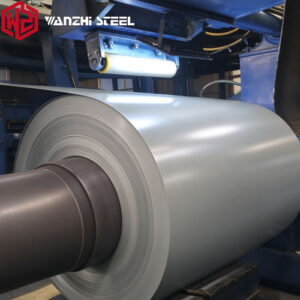
The difference between PCM and VCM used in home appliances
PCM and VCM are both common types of color-coated steel sheets in the home appliance industry. They offer good corrosion resistance and decorative appeal, which is why many manufacturers use both. In this video, we’ve invited the Production and Technology Manager from Wanji Steel to clearly explain the differences between the two materials, starting with their manufacturing processes and visual characteristics. After watching, you’ll be able to quickly determine which scenarios each is best suited for, facilitating communication between procurement and design teams.
How to Choose Roofing Sheets for Typhoon prone Areas
In coastal areas of Southeast Asia and regions prone to frequent typhoons, selecting roofing panels requires more than just considering color, thickness, and surface treatment. The strength grade of the base steel is the key to withstanding wind and rain. This segment focuses on S280GD, S350GD, and S550GD, explaining the relationship between the grade designation and minimum yield strength, and detailing how to select the most suitable roofing material based on local climate and project requirements.
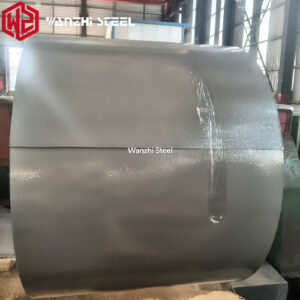
What Factors Affect the Corrosion Resistance of Galvanized Steel
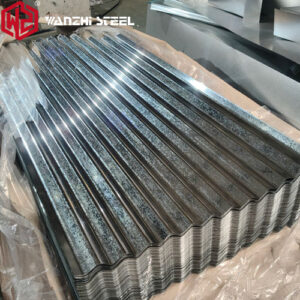
The durability of galvanized steel depends primarily on the zinc coating thickness, not just its appearance. This episode begins with an examination of the galvanized sheet’s surface, explaining how to assess the condition of the zinc coating through surface characteristics and, consequently, evaluate its corrosion resistance. For users who frequently work with roofing, building envelopes, and outdoor structures, these assessment methods are highly practical and can help you avoid unnecessary detours when selecting materials.
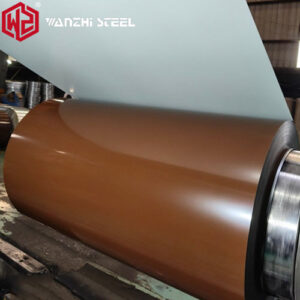
How to Choose PPGI Coil Thickness: 0.4 vs 0.5 vs 0.6mm for Roofing & Walls
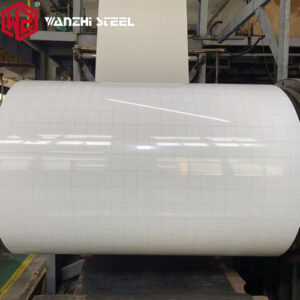
When selecting the thickness of color-coated steel coils, the optimal choice for roofs often differs from that for walls. In this video, Wendy compares three common specifications—0.4 mm, 0.5 mm, and 0.6 mm—explaining when each thickness is appropriate. She also reminds viewers that thickness isn’t the only factor to consider. The substrate, coating, and usage environment all influence the final performance and must be taken into account during the selection process.
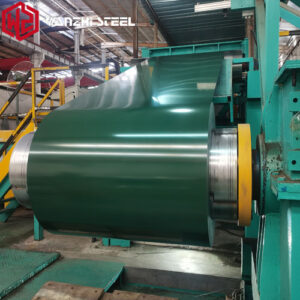
The testing process for color coated steel coils is extremely rigorous
In this video, Wanji Steel Group demonstrates the inspection process for color-coated steel coils. The products are certified by CE, SGS, and other organizations, and the company operates its own testing center. Tests cover weather resistance, bending, hardness, tensile strength, corrosion resistance, coating adhesion, stamping, forming, and writability. These comprehensive inspections ensure that color-coated products perform consistently during processing and use, giving customers greater confidence in their purchases.